
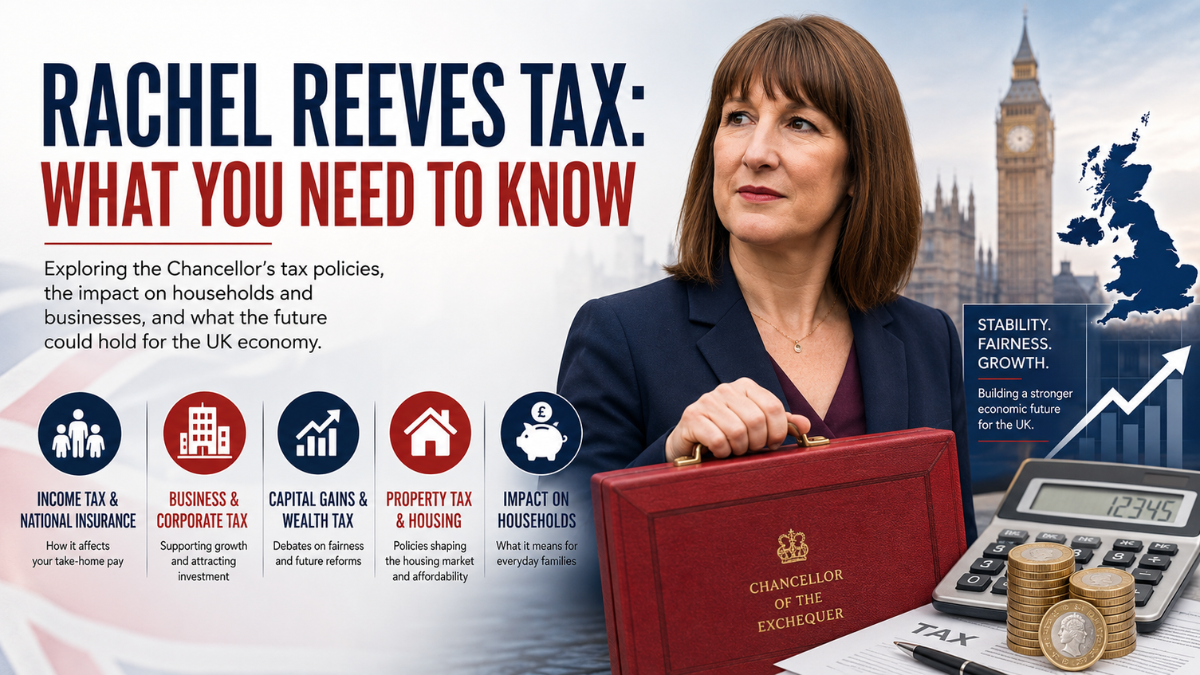
Rachel Reeves Tax, Rachel Reeves has become one of the most influential figures in British politics, particularly regarding economic policy and taxation. As Chancellor of the Exchequer, her approach to taxes has attracted attention from businesses, workers, investors, and households across the United Kingdom. Discussions surrounding the term “Rachel Reeves tax” have grown significantly as people seek to understand how her policies may affect their finances.
Taxation is one of the most powerful tools any government possesses. Through tax policies, governments can fund public services, encourage economic growth, and address social inequalities. Rachel Reeves has repeatedly emphasized the importance of economic stability and responsible fiscal management while aiming to support long-term growth.
Understanding her tax approach requires looking beyond headlines. While many political debates focus on whether taxes are rising or falling, the broader objective is to create a balanced economy capable of supporting public services without placing excessive burdens on individuals and businesses.
Rachel Reeves’ Economic Philosophy
Rachel Reeves Tax has consistently advocated for fiscal responsibility. Her economic philosophy focuses on maintaining credibility with financial markets while ensuring that essential public services receive adequate funding. This balancing act has shaped much of her approach to taxation.
Unlike some policymakers who prefer significant tax cuts, Reeves has generally emphasized stability and predictability. Businesses often value certainty because it allows them to make long-term investment decisions. A stable tax environment can encourage confidence among investors and companies.
Another important aspect of her philosophy is fairness. Reeves has spoken frequently about ensuring that those with broader shoulders contribute appropriately while protecting working families. This theme has influenced debates over capital gains, inheritance tax, and corporate taxation.
Income Tax and National Insurance Under Rachel Reeves
One of the key areas people associate with “Rachel Reeves tax” involves income taxes and National Insurance contributions. Many households are concerned about whether their earnings will face higher taxation under her leadership.
Rachel Reeves Tax has generally supported maintaining existing income tax structures rather than implementing dramatic increases. However, frozen tax thresholds can still result in what economists call “fiscal drag.” As wages rise, more individuals move into higher tax brackets, increasing government revenue without officially raising tax rates.
National Insurance has also been an important topic. Changes to these contributions can significantly affect take-home pay for workers and operating costs for employers. Reeves has often stressed the importance of balancing revenue generation with supporting economic activity.
For ordinary employees, understanding tax thresholds and allowances remains essential because even small changes can influence monthly income and long-term financial planning.
Business Taxes and Corporate Policies
Businesses closely monitor Rachel Reeves’ tax policies because taxation directly affects profitability and investment decisions. Corporate taxation plays a central role in funding government spending while maintaining the UK’s competitiveness.
Reeves has emphasized the need to attract investment and encourage innovation. Stable corporate tax rates provide certainty, allowing businesses to plan future expansion with greater confidence. Investors generally prefer predictable tax systems over sudden policy changes.
Small and medium-sized enterprises have also been part of the conversation. These businesses form the backbone of the UK economy, and their tax obligations can influence hiring, wages, and growth opportunities. Reeves has highlighted the importance of supporting entrepreneurship while ensuring that larger corporations contribute fairly.
International companies operating in Britain also pay close attention to tax policy. Rachel Reeves Tax Maintaining a competitive environment helps the UK remain an attractive destination for investment, particularly after Brexit and increasing global competition.
Capital Gains Tax and Wealth Tax Discussions
Debates surrounding capital gains tax have intensified under Rachel Reeves. Capital gains tax applies to profits made from selling assets such as property, shares, or investments. Some experts have suggested reforms that could align capital gains tax rates more closely with income tax rates.
Supporters of such changes argue that they would promote fairness and ensure wealthier individuals contribute a larger share. Critics, however, warn that excessive taxation could discourage investment and reduce economic activity.
Wealth taxes have also entered public discussions. Although no sweeping wealth tax has been implemented, speculation often arises regarding how future governments may seek additional revenue. Rachel Reeves has generally been cautious about introducing radical measures, preferring targeted approaches rather than broad, sweeping changes.
These discussions demonstrate the challenge policymakers face in balancing fairness with economic growth and maintaining investor confidence.
Property Taxes and Housing Policies
Property taxation remains another area linked to Rachel Reeves’ economic agenda. Housing affordability continues to be a major issue across the UK, particularly for younger generations seeking to enter the property market.
Stamp duty, council tax reforms, and taxation related to second homes have all featured in wider debates. Property taxes influence both homeowners and investors, affecting housing supply and market activity.
Rachel Reeves has emphasized the importance of increasing housing availability and supporting economic development. Effective property tax policies can encourage construction and investment while ensuring that local governments receive necessary funding.
Housing remains closely connected to broader economic health, and any significant changes to property taxes could have substantial consequences for families and the real estate sector.
How Rachel Reeves Tax Policies Affect Ordinary Households
For many people, the biggest question is simple: how do Rachel Reeves’ tax policies affect everyday life? Taxes influence wages, savings, pensions, and household budgets.
Workers may experience indirect effects through frozen thresholds or adjustments to National Insurance. Homeowners and investors could see changes in property-related taxation or capital gains rules. Businesses facing different tax obligations may also pass some costs onto consumers through higher prices.
At the same time, tax revenue supports public services such as healthcare, education, infrastructure, and social welfare programs. Many economists argue that the quality of these services must be considered alongside discussions about tax burdens.
Families often benefit from economic stability and lower borrowing costs when governments maintain fiscal discipline. Reeves has repeatedly emphasized the importance of responsible budgeting to protect long-term economic prosperity.
Political Debate Surrounding Rachel Reeves Tax Plans
Taxation is always politically sensitive, and Rachel Reeves’ policies are no exception. Supporters argue that her approach combines responsibility with fairness, helping maintain confidence in the UK economy while funding essential services.
Critics, however, claim that some measures could increase the tax burden on individuals and businesses. Concerns over fiscal drag and potential future tax rises have been central themes in political debates.
Financial experts, economists, and business leaders often hold differing opinions regarding the best path forward. Some prioritize growth through lower taxes, while others emphasize investment in public services and reducing inequality.
These debates highlight the complexity of tax policy. There are rarely simple answers, and every decision involves trade-offs between economic growth, fairness, and government spending.
Future Outlook for Rachel Reeves Tax Strategy
Looking ahead, Rachel Reeves’ tax strategy will likely continue focusing on stability and sustainable economic growth. The UK faces numerous challenges, including inflation, public debt, demographic changes, and global economic uncertainty.
Future tax reforms may aim to modernize the system, improve efficiency, and encourage investment. Policymakers will need to balance the demands of businesses, workers, and public services while maintaining international competitiveness.
Technological change and the digital economy may also influence future tax structures. Governments worldwide are exploring new ways to tax multinational companies and emerging industries, and the UK will likely remain part of these discussions.
Ultimately, tax policy will continue evolving in response to changing economic conditions and political priorities.
Conclusion
The phrase “Rachel Reeves tax” encompasses a broad range of policies affecting income tax, corporate taxation, capital gains, property taxes, and public finances. Her overall approach emphasizes fiscal responsibility, economic stability, and fairness while attempting to support growth and maintain confidence in the UK’s economy.
Although debates surrounding taxation are often highly political, understanding the underlying principles provides valuable context. For individuals, businesses, and investors, staying informed about tax developments remains essential for effective financial planning.
As economic conditions evolve, Rachel Reeves’ tax policies will continue to shape discussions about Britain’s financial future, making them an important topic for anyone interested in the UK economy.