
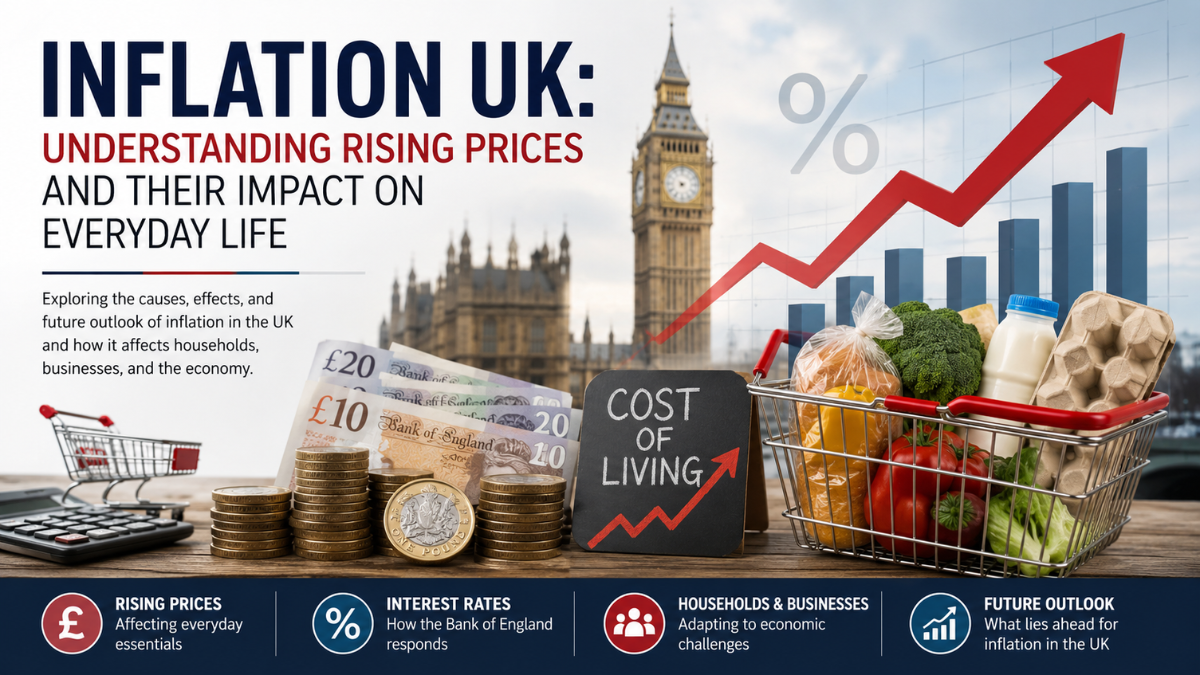
Inflation UK, Inflation is one of the most important economic indicators affecting households, businesses, and governments. In the UK, Inflation UK refers to the rate at which the prices of goods and services increase over time. When inflation rises, the purchasing power of money decreases, meaning people need to spend more to buy the same products and services they could afford previously.
Over the past few years, Inflation UK in the UK has become a major topic of discussion. Rising energy prices, global supply chain disruptions, and changes in consumer demand have all contributed to higher inflation rates. These developments have affected everything from groceries and fuel costs to housing and utility bills.
Understanding inflation is essential because it influences interest rates, wages, savings, and overall economic growth. Whether you are a homeowner, an employee, or a business owner, inflation has a direct impact on your financial well-being and spending habits.
What Causes Inflation in the UK?
Inflation UK Several factors contribute to inflation in the UK. One of the primary causes is increased demand for goods and services. When consumer spending rises faster than supply can keep up, businesses often raise prices to balance demand. This phenomenon is known as demand-pull inflation.
Another major factor is cost-push inflation. This occurs when the cost of producing goods and services increases. Higher energy prices, rising wages, transportation expenses, and raw material costs force companies to pass these expenses on to consumers through higher prices. The UK experienced significant cost-push inflation following global energy market disruptions and supply shortages.
External influences also play a crucial role. International events, geopolitical tensions, and fluctuations in commodity prices can impact the UK economy. Since the country imports many products and resources, changes in global markets often translate into higher prices for British consumers and businesses.
The Role of the Bank of England
The Bank of England plays a central role in controlling inflation UK. Its primary objective is to maintain price stability and keep inflation close to its target level, which is generally around 2%. To achieve this goal, the Bank uses monetary policy tools, particularly interest rates.
When inflation rises above the target, the Bank of England may increase interest rates. Higher borrowing costs encourage people and businesses to spend less and save more, reducing overall demand in the economy. This process helps slow down inflation over time.
On the other hand, if inflation falls too low or the economy weakens, the Bank may lower interest rates to stimulate borrowing and spending. Balancing economic growth and price stability is a complex task, and policymakers constantly monitor various economic indicators before making decisions.
How Inflation Affects Households
Inflation UK has a significant impact on households across the UK. One of the most noticeable effects is the increased cost of living. Everyday essentials such as food, electricity, gas, transportation, and housing become more expensive, putting pressure on family budgets.
For individuals with fixed incomes, rising prices can be especially challenging. Pensioners and low-income households often feel the effects of inflation more strongly because a larger portion of their income goes toward essential expenses. As costs rise, many families are forced to adjust their spending habits and prioritize necessities.
Inflation also affects savings. If inflation rises faster than the interest earned on savings accounts, the real value of money decreases over time. This means that even though the amount saved remains the same, its purchasing power declines, making long-term financial planning more difficult.
Impact on Businesses and the Economy
Businesses in the Inflation UK face numerous challenges during periods of high inflation. Rising operating costs, including wages, rent, energy bills, and raw materials, can reduce profit margins. Companies may have to increase prices, which could potentially affect customer demand and competitiveness.
Small and medium-sized enterprises often feel the greatest pressure. Unlike larger corporations, they may have limited resources to absorb increased costs. Some businesses are forced to delay expansion plans, reduce investments, or implement efficiency measures to maintain profitability.
Despite these challenges, moderate inflation is not necessarily harmful. In fact, a stable and predictable inflation rate can encourage spending and investment, contributing to economic growth. Problems typically arise when inflation becomes too high or remains elevated for extended periods.
Why UK Inflation Increased in Recent Years
The Inflation UK has experienced unusually high inflation levels in recent years due to a combination of domestic and international factors. The COVID-19 pandemic disrupted global supply chains, creating shortages and increasing production costs. As economies reopened, demand recovered quickly, further pushing prices upward.
Energy prices became another major contributor. Global events and geopolitical tensions caused significant increases in oil and gas prices, which affected electricity bills, transportation costs, and manufacturing expenses throughout the UK economy.
Labour shortages and rising wages also played a role. Many industries struggled to find workers, leading employers to offer higher salaries. While wage growth benefits employees, it can also contribute to inflation if businesses raise prices to offset increased labour costs.
The Relationship Between Inflation and Interest Rates
Interest rates and inflation are closely connected. When inflation rises, central banks often respond by increasing interest rates. This makes borrowing more expensive for consumers and businesses, reducing spending and helping to slow price growth.
For homeowners with mortgages, higher interest rates can lead to increased monthly repayments. Those with variable-rate mortgages are particularly sensitive to changes in borrowing costs. Prospective homebuyers may also find it more expensive to finance property purchases.
Savers, however, may benefit from higher interest rates. Banks typically offer improved returns on savings accounts when rates rise. Although this can help protect savings from inflation, returns may still fall short if inflation remains exceptionally high.
How Consumers Can Cope with Inflation
Managing personal finances during periods of inflation requires careful planning. Creating a realistic budget and tracking expenses can help individuals identify areas where they can reduce unnecessary spending. Small adjustments often make a meaningful difference over time.
Comparing prices, taking advantage of discounts, and switching to more affordable alternatives are practical ways to manage rising costs. Consumers may also benefit from reviewing utility providers, insurance policies, and subscription services to ensure they are getting the best value.
Building an emergency fund and maintaining a long-term perspective are equally important. Financial resilience can help households navigate economic uncertainty and reduce the stress associated with unexpected expenses or income changes.
Future Outlook for Inflation in the UK
The future path of inflation UK depends on several factors, including energy prices, wage growth, consumer spending, and international economic conditions. Policymakers and economists continue to monitor these developments closely to assess the risks facing the economy.
Many experts believe that Inflation UK tends to moderate over time as supply chains improve and central bank policies take effect. However, unexpected global events or economic shocks can influence the pace at which inflation returns to more stable levels.
For households and businesses, staying informed and adapting to changing economic conditions will remain essential. Understanding how Inflation UK works and how it affects financial decisions can help individuals make better choices and prepare for future challenges.
Conclusion
Inflation UK remains one of the most significant economic issues affecting everyday life. Rising prices influence household budgets, business operations, interest rates, and overall economic growth. While periods of high Inflation UK can create financial challenges, they are also a natural part of economic cycles.
The Bank of England plays a vital role in maintaining price stability through monetary policy, while consumers and businesses must adapt to changing conditions. By understanding the causes and effects of inflation, people can make more informed decisions regarding spending, saving, and investing.
As the UK economy continues to evolve, Inflation UK will remain a key indicator to watch. Staying aware of economic trends and adopting sound financial strategies can help individuals and businesses successfully navigate periods of uncertainty and maintain long-term financial stability.