Low phosphate, medically known as hypophosphatemia, occurs when the amount of phosphate in the blood falls below normal levels. Phosphate is an essential mineral that works alongside calcium and vitamin D to support many important functions in the body. Although it may not receive as much attention as iron or calcium, phosphate is vital for energy production, healthy bones, and proper muscle and nerve function.
Low Phosphate, The body stores most of its phosphate in bones and teeth, while a smaller amount circulates in the bloodstream. These levels are carefully regulated by the kidneys, hormones, and dietary intake. When phosphate levels become too low, the body’s normal processes can be disrupted, leading to various symptoms and complications.
Mild cases of low phosphate often go unnoticed because they may not produce obvious signs. However, severe or prolonged deficiencies can affect multiple organs and systems. Understanding the condition is important because early diagnosis and treatment can prevent serious health problems.
Why Phosphate Is Important for the Body
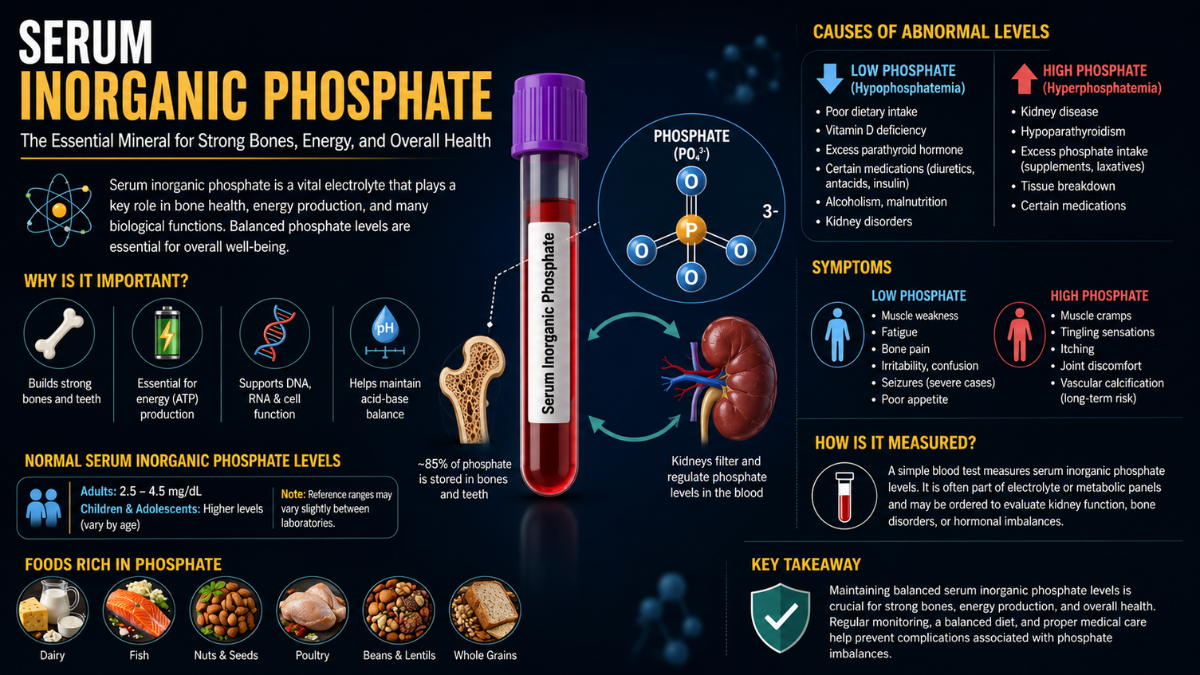
Phosphate plays a crucial role in creating adenosine triphosphate (ATP), which is the primary energy source used by cells. Without adequate phosphate, the body struggles to produce and store energy efficiently. This can lead to weakness, fatigue, and difficulty performing everyday activities.
Another important function of phosphate is maintaining strong bones and teeth. Approximately 85 percent of the body’s phosphate is stored in the skeletal system. Working together with calcium, it helps preserve bone density and supports growth and repair. Insufficient phosphate levels can contribute to weakened bones and increase the risk of fractures.
Phosphate is also involved in maintaining healthy muscles, nerves, and cell membranes. It helps regulate acid-base balance and supports DNA and RNA formation. Since phosphate influences so many biological processes, even a moderate deficiency can affect overall health and well-being.
Common Causes of Low Phosphate
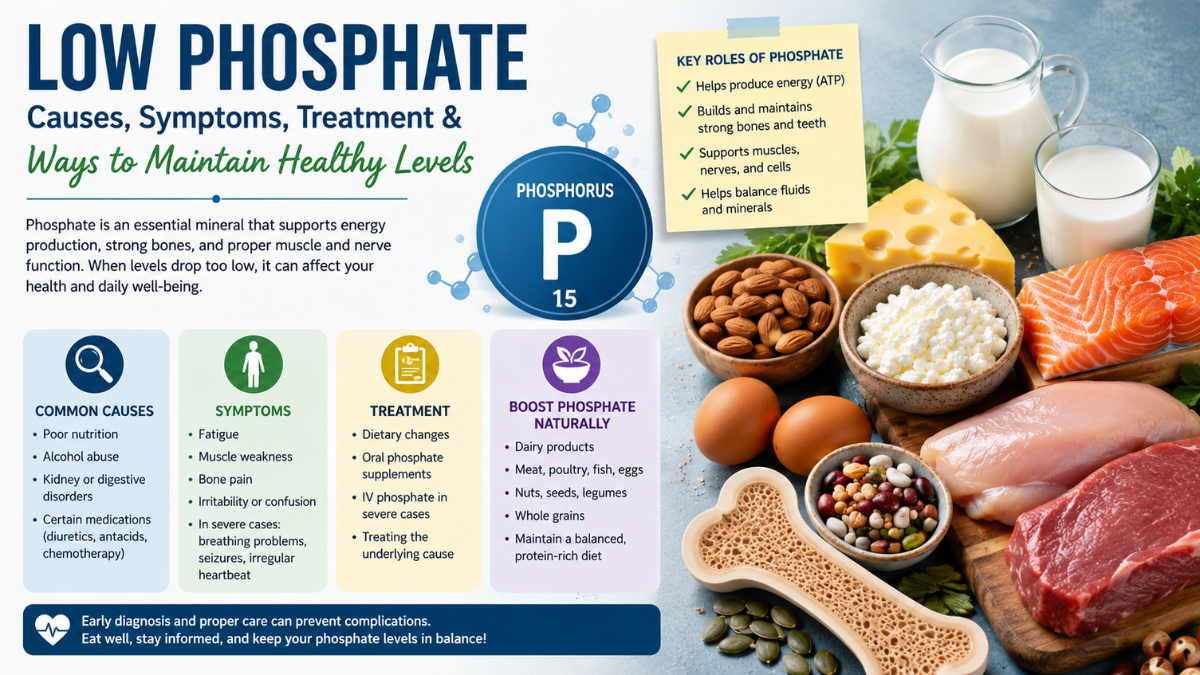
Several factors can contribute to low phosphate levels. One of the most common causes is poor nutrition. People who consume inadequate amounts of protein-rich foods or who suffer from malnutrition may develop phosphate deficiency over time. This is particularly common among older adults and individuals with eating disorders.
Certain medical conditions can also interfere with phosphate absorption or increase phosphate loss. Chronic alcoholism, uncontrolled diabetes, kidney disorders, and gastrointestinal diseases such as Crohn’s disease or celiac disease may lead to hypophosphatemia. In these cases, the body either fails to absorb enough phosphate or loses excessive amounts through urine.
Some medications are known to lower phosphate levels as well. Antacids containing aluminum or magnesium, diuretics, insulin therapy, and certain chemotherapy drugs can affect phosphate balance. In hospitalized patients, phosphate deficiency may occur during recovery from severe illness or after prolonged intravenous nutrition.
Signs and Symptoms of Low Phosphate
The symptoms of low phosphate vary depending on the severity of the deficiency. Mild cases may cause no noticeable symptoms at all, which is why the condition can remain undetected for some time. Routine blood tests often reveal the problem before symptoms become significant.
As phosphate levels continue to drop, individuals may experience fatigue, muscle weakness, and reduced exercise tolerance. Some people report a general feeling of exhaustion and lack of energy. Because phosphate is involved in ATP production, inadequate levels directly affect the body’s ability to generate energy.
More severe cases can produce serious complications. Symptoms may include confusion, irritability, numbness, bone pain, difficulty breathing, and abnormal heart rhythms. In extreme situations, low phosphate can lead to seizures, muscle breakdown, or respiratory failure. These severe manifestations require immediate medical attention.
Risk Factors Associated with Hypophosphatemia
Certain groups are more vulnerable to developing low phosphate levels. Individuals who consume excessive alcohol are at higher risk because alcohol can interfere with nutrient absorption and increase urinary phosphate loss. Long-term alcohol use often contributes to multiple vitamin and mineral deficiencies.
People with chronic diseases such as kidney disorders, diabetes, and digestive conditions are also susceptible. These illnesses may disrupt the body’s ability to maintain normal phosphate balance. Patients receiving dialysis or those recovering from major surgery can experience temporary changes in phosphate levels as well.
Athletes involved in prolonged endurance activities and individuals undergoing intensive medical treatment may face increased demands for phosphate. Premature infants, older adults, and people with poor dietary habits should also pay close attention to maintaining adequate nutrient intake to prevent deficiencies.
How Doctors Diagnose Low Phosphate
Diagnosing low phosphate usually begins with a blood test that measures phosphate concentration. Physicians often order this test when patients present with unexplained weakness, bone pain, or symptoms suggesting electrolyte imbalances. Additional laboratory tests may be necessary to determine the underlying cause.
Doctors frequently evaluate calcium, vitamin D, magnesium, and kidney function alongside phosphate levels. Since these nutrients and organs are closely interconnected, understanding the complete picture helps guide treatment decisions. Hormone levels may also be assessed in some situations.
Medical history and medication use are equally important during diagnosis. Information about alcohol consumption, diet, chronic illnesses, and recent surgeries can provide valuable clues. Identifying the root cause is essential because successful treatment depends not only on correcting phosphate levels but also on addressing the condition responsible for the deficiency.
Treatment Options for Low Phosphate
Treatment depends on the severity of the deficiency and its underlying cause. Mild cases can often be corrected through dietary modifications and oral phosphate supplements. Increasing phosphate intake through food is usually the first approach recommended by healthcare professionals.
Moderate to severe hypophosphatemia may require prescription phosphate supplements. These medications should only be used under medical supervision because excessive phosphate levels can also create complications. Doctors monitor blood values carefully to ensure that treatment remains safe and effective.
In critical situations, intravenous phosphate replacement may be necessary. Hospitalized patients with severe symptoms or dangerously low levels often receive phosphate through an IV. During treatment, healthcare providers continue monitoring kidney function and electrolyte balance to avoid potential side effects.
Foods That Help Increase Phosphate Levels
Diet plays a major role in maintaining healthy phosphate levels. Protein-rich foods are among the best natural sources of phosphorus. Dairy products such as milk, yogurt, and cheese provide substantial amounts and are easily incorporated into everyday meals.
Meat, poultry, fish, and eggs are excellent choices for individuals seeking to increase phosphate intake. Salmon, chicken, turkey, and lean beef are particularly rich sources. These foods not only supply phosphorus but also provide essential amino acids and other important nutrients.
Plant-based sources are available as well. Nuts, seeds, legumes, whole grains, and beans contain phosphorus, making them valuable options for vegetarians and vegans. Maintaining a balanced diet that includes a variety of nutrient-rich foods can help prevent deficiencies and support overall health.
Can Low Phosphate Be Prevented?
Preventing low phosphate primarily involves maintaining good nutrition and addressing underlying health conditions. Eating a balanced diet that includes adequate protein, dairy products, and whole grains provides the body with sufficient phosphorus to meet daily needs.
Regular medical checkups are important for people with chronic diseases or those taking medications that may affect phosphate levels. Early monitoring allows healthcare providers to identify imbalances before they become severe. Individuals recovering from surgery or prolonged illness may also benefit from nutritional assessment.
Avoiding excessive alcohol consumption and managing medical conditions effectively can significantly reduce the risk of hypophosphatemia. Lifestyle choices, combined with appropriate medical care, are often enough to maintain healthy phosphate levels and prevent complications.
When to Seek Medical Attention
Although mild phosphate deficiency may not cause symptoms, persistent fatigue, muscle weakness, and unexplained bone pain should not be ignored. These signs warrant medical evaluation, especially if they interfere with daily activities or worsen over time.
Individuals experiencing confusion, severe weakness, breathing difficulties, or irregular heartbeats should seek immediate medical care. Such symptoms may indicate a serious electrolyte imbalance that requires urgent treatment. Prompt intervention can prevent complications and improve recovery.
Regular communication with healthcare providers is particularly important for people with chronic illnesses or nutritional challenges. Monitoring phosphate levels when necessary allows for timely treatment and better long-term outcomes.
Conclusion
Low phosphate, or hypophosphatemia, is a condition that can affect energy production, bone health, muscle function, and overall well-being. While mild deficiencies may go unnoticed, severe cases can lead to serious complications if left untreated. Fortunately, early diagnosis and appropriate treatment are highly effective.
Maintaining a balanced diet, managing underlying medical conditions, and seeking timely medical advice are key steps in preventing phosphate deficiency. By understanding the causes, symptoms, and available treatment options, individuals can take proactive measures to support their health and maintain optimal phosphate levels throughout life.