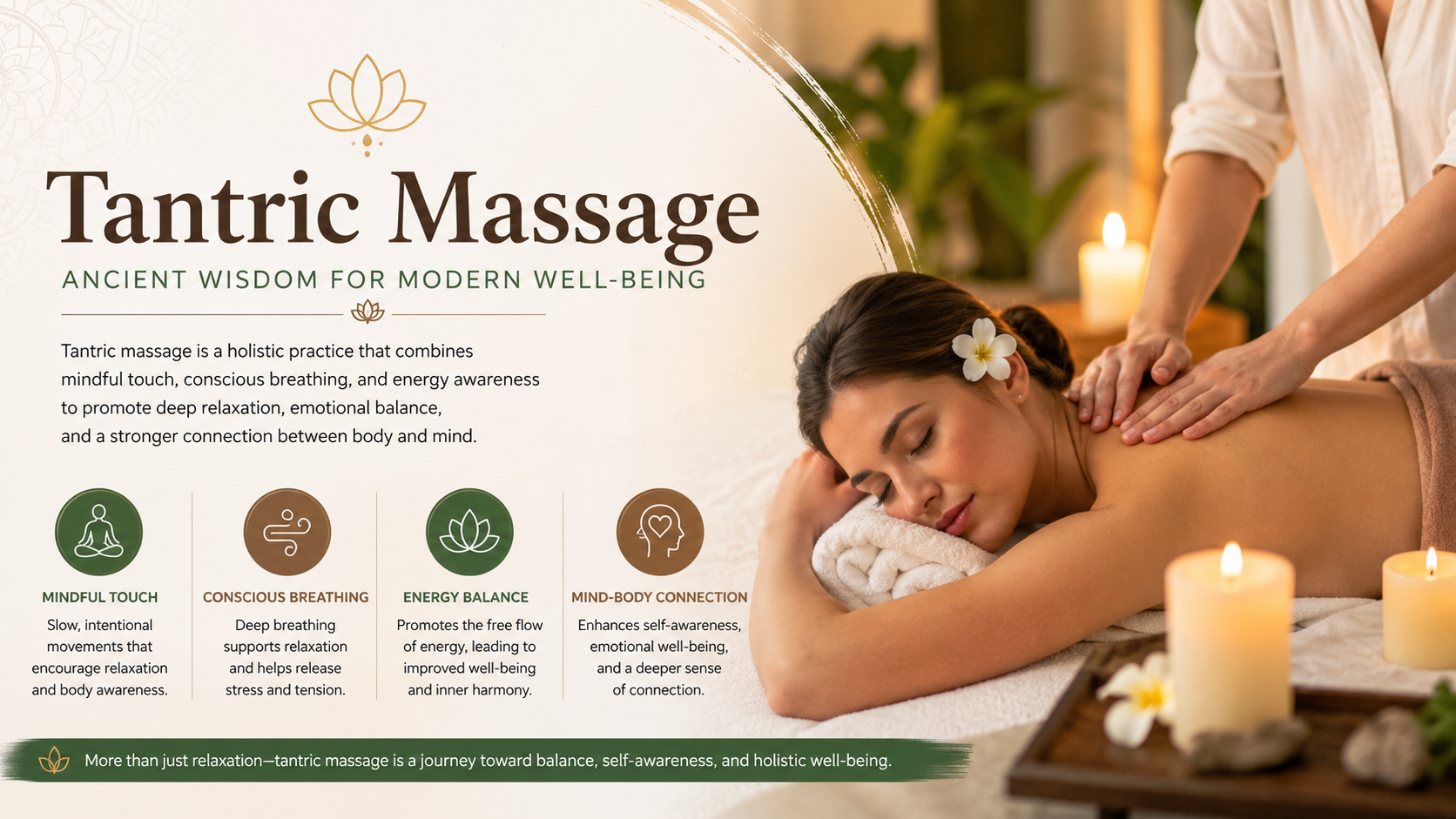
Tantric massage has gained considerable attention over the years, yet many people still misunderstand what it truly represents. Rooted in ancient spiritual traditions, tantric massage is much more than a relaxation technique. It combines mindful touch, breathing practices, and body awareness to create a holistic experience that focuses on physical, emotional, and mental well-being.
Unlike conventional massage therapies that primarily target muscle tension and pain relief, tantric massage aims to encourage relaxation while promoting a deeper connection between mind and body. Many individuals seek it as a way to reduce stress, improve self-awareness, and experience a greater sense of balance in their lives.
As interest in wellness and alternative healing continues to grow, tantric massage has become increasingly popular around the world. Understanding its history, principles, and benefits can help people appreciate why this ancient practice remains relevant in modern times.
The Origins and History of Tantric Massage
The roots of tantric massage can be traced back thousands of years to ancient India. Tantra itself is a spiritual philosophy that emerged within Hindu and Buddhist traditions. These teachings emphasize mindfulness, energy flow, and the connection between the physical and spiritual aspects of life.
Ancient tantric practices were designed to help individuals cultivate awareness and achieve harmony between the body, mind, and spirit. Over time, some of these principles evolved into massage techniques intended to promote relaxation and emotional well-being. The focus was not solely on physical comfort but on fostering a deeper understanding of oneself.
As Eastern philosophies spread throughout the world, tantric concepts began influencing modern wellness practices. Today, tantric massage combines traditional ideas with contemporary therapeutic approaches, making it accessible to people seeking stress relief and personal growth.
What Is Tantric Massage?
Tantric massage is a form of bodywork that emphasizes mindfulness, conscious breathing, and the creation of a calm and peaceful environment. The experience often incorporates slow, flowing movements designed to encourage complete relaxation and heightened awareness.
One of the defining characteristics of tantric massage is its holistic approach. Rather than concentrating exclusively on muscles and physical tension, practitioners seek to support emotional and mental balance as well. This broader perspective distinguishes it from many traditional massage techniques.
Every session may vary depending on the practitioner and the client’s preferences. Some sessions may include meditation, breathing exercises, or calming music to create a soothing atmosphere that enhances the overall experience.
Principles Behind Tantric Massage
A key principle of tantric massage is mindfulness. Clients are encouraged to remain present and aware throughout the session. This mindful approach helps individuals release stress and become more attuned to their physical sensations and emotions.
Breathing also plays an important role. Deep and controlled breathing techniques are often used to promote relaxation and support the body’s natural ability to release tension. Proper breathing can contribute to feelings of calmness and mental clarity.
Another essential principle is energy awareness. Traditional tantric teachings suggest that energy flows throughout the body and that balance contributes to overall well-being. While interpretations vary, many practitioners believe that massage can help individuals feel more centered and harmonious.
Benefits of Tantric Massage
One of the most commonly reported benefits of tantric massage is stress reduction. Modern life often involves demanding schedules and constant pressure, making relaxation increasingly important. A calming massage experience can help individuals unwind and experience greater peace of mind.
Tantric massage may also support emotional wellness. Many people find that mindful bodywork encourages self-awareness and provides an opportunity to reconnect with themselves. This increased awareness can contribute to improved confidence and emotional balance.
In addition, some individuals experience physical benefits such as reduced muscle tension and enhanced relaxation. While tantric massage is not a replacement for medical treatment, it can complement a healthy lifestyle and support overall well-being.
How a Typical Session Works
A typical tantric massage session begins with a discussion between the practitioner and the client. This conversation helps establish expectations and ensures that the experience remains comfortable and respectful. Communication is an essential aspect of creating trust and understanding.
The environment is usually designed to promote relaxation. Soft lighting, calming music, and a peaceful atmosphere help clients feel at ease. Some practitioners may incorporate breathing exercises or meditation techniques before beginning the massage itself.
During the session, movements are generally slow and deliberate. The focus is on relaxation, mindfulness, and creating a sense of harmony. The pace allows individuals to become fully present and experience the therapeutic aspects of the practice.
Differences Between Tantric Massage and Traditional Massage
Traditional massage therapies often focus on relieving muscle pain, improving circulation, and addressing physical discomfort. Techniques such as Swedish massage and deep tissue massage are widely used for these purposes.
Tantric massage, on the other hand, places a greater emphasis on mindfulness and emotional well-being. While physical relaxation remains important, the experience is intended to encourage a broader sense of balance and self-awareness.
Another distinction lies in the atmosphere and approach. Tantric massage sessions frequently incorporate breathing exercises, meditation, and other elements designed to create a calming and holistic experience. This makes it unique among various forms of bodywork.
Choosing a Qualified Practitioner
Selecting a reputable practitioner is essential for ensuring a positive experience. It is important to research qualifications, read reviews, and choose someone who maintains professional standards and prioritizes client comfort.
Clear communication is another important factor. A trustworthy practitioner will discuss expectations, explain their approach, and answer questions before the session begins. Transparency helps establish confidence and trust.
Professionalism and respect should always be central to the experience. Individuals should feel comfortable expressing their preferences and boundaries. A skilled practitioner understands the importance of creating a safe and supportive environment.
Common Misconceptions About Tantric Massage
One of the biggest misconceptions surrounding tantric massage is that it is solely associated with intimacy. In reality, its traditional foundations emphasize mindfulness, relaxation, and the connection between body and mind.
Another misunderstanding is that tantric massage is a modern trend. While its popularity has increased in recent years, the underlying principles have existed for centuries and originate from ancient spiritual traditions.
Some people also assume that tantric massage is only for certain individuals. In fact, many people explore it as part of their wellness journey, seeking stress relief, relaxation, and greater self-awareness.
The Growing Popularity of Tantric Massage
The increasing focus on holistic health has contributed to the rising popularity of tantric massage. People are becoming more interested in wellness practices that address emotional and mental health alongside physical comfort.
Social media and online resources have also made information about alternative therapies more accessible. As awareness grows, more individuals are discovering the principles and potential benefits associated with tantric massage.
Wellness centers and practitioners around the world have responded to this demand by offering services that combine traditional techniques with modern approaches. This has helped introduce tantric massage to a broader audience.
Conclusion
Tantric massage is an ancient practice that combines mindful touch, relaxation techniques, and holistic principles to promote overall well-being. Its roots in traditional tantra emphasize harmony between the body and mind, making it distinct from conventional massage therapies.
For many individuals, tantric massage represents an opportunity to reduce stress, enhance self-awareness, and experience a greater sense of balance. While experiences vary, the practice continues to attract those seeking a more comprehensive approach to wellness.
As interest in holistic health continues to grow, tantric massage is likely to remain a valued and widely discussed practice. Understanding its history, principles, and benefits allows people to appreciate its role within the broader world of wellness and self-care.